A Background to War
After the surrender of Japan, and the end of World War II, the Korean Peninsula was divided into two. Two occupation zones had been set up by the Allies as the precursor to an “international trusteeship” and the eventual full independence of Korea; the Soviet forces occupied the northern half of the peninsula, and the American forces its southern half.
A temporary boundary to distinguish two parts of a single nation was drawn at the 38th parallel. The Korean people, joined together by a common history, language, and spirit suddenly found themselves separated, against their will. Further misfortune followed as efforts for reunification between the two occupation zones stalled, flickered, and faded away with the Soviet Union's refusal to hold joint votes in the Korean Peninsula.
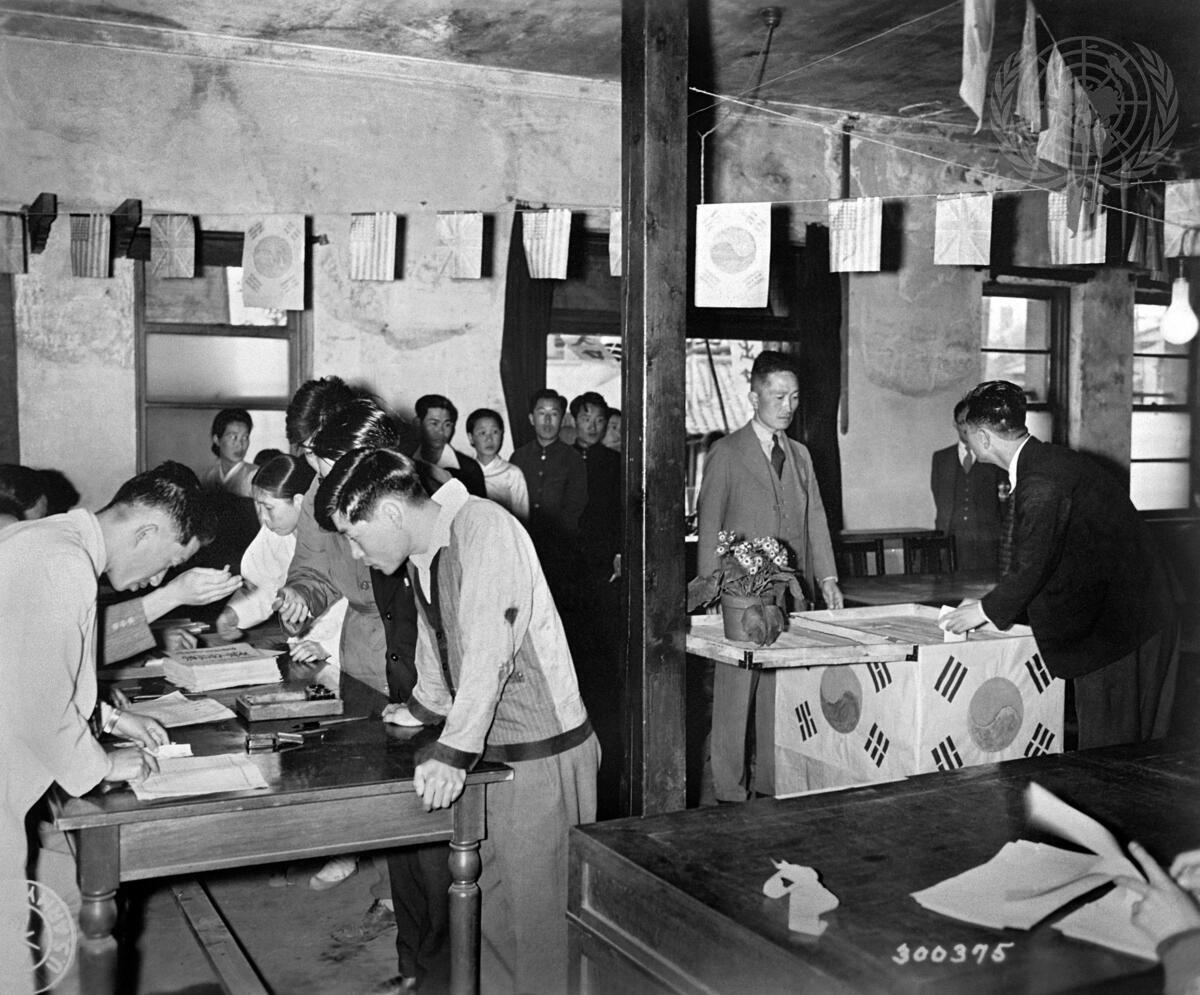
Two starkly different forms of government emerged as a result of this separation. On the southern side was a budding democracy led by President Syngman Rhee, and in the northern portion a Communistic dictatorship headed by Kim Il-Sung. Each government asserted legitimacy; North Korea supported communistic sentiment in South Korea, and skirmishes near the 38th Parallel were common.
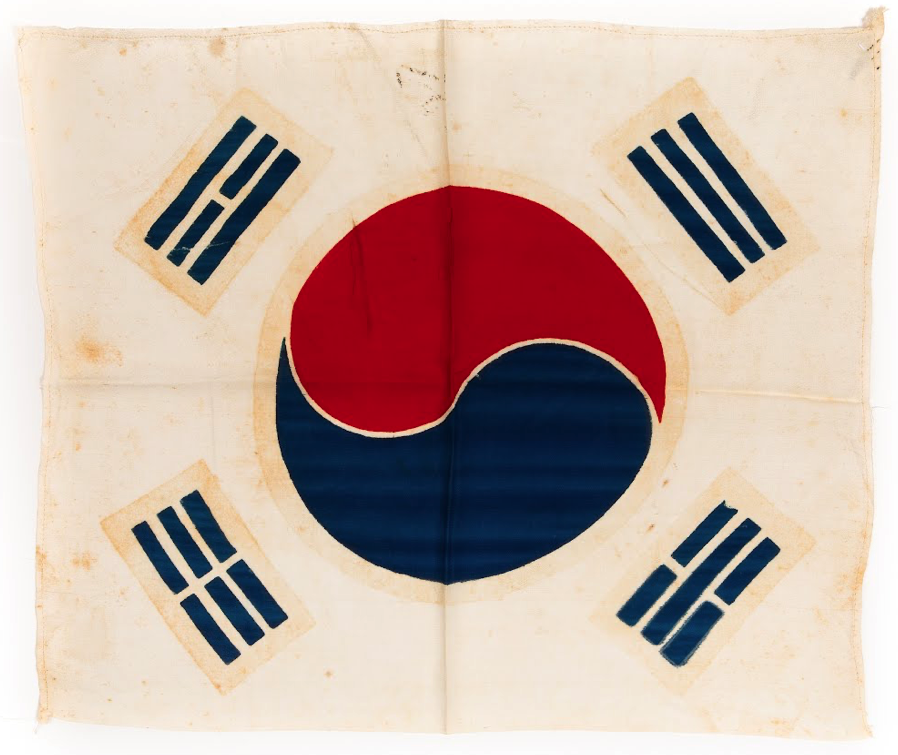
Tensions were high as a fragile balance lay between peace and war over the Korean Peninsula.
6.25.1950 The War Opens
“The attack began at dawn on a rainy summer morning, June 25, 1950 with heavy artillery fire in the various attack zones-which were the main valley roads or corridors leading to Seoul and Incheon.”— Matthew Ridgway, The Korean War
On June 25th, 1950, the Korean War began with an invasion of the 38th Parallel by 75,000 North Korean People's Army (NKPA) troops against the Republic of Korea (ROK) over the monsoon season.
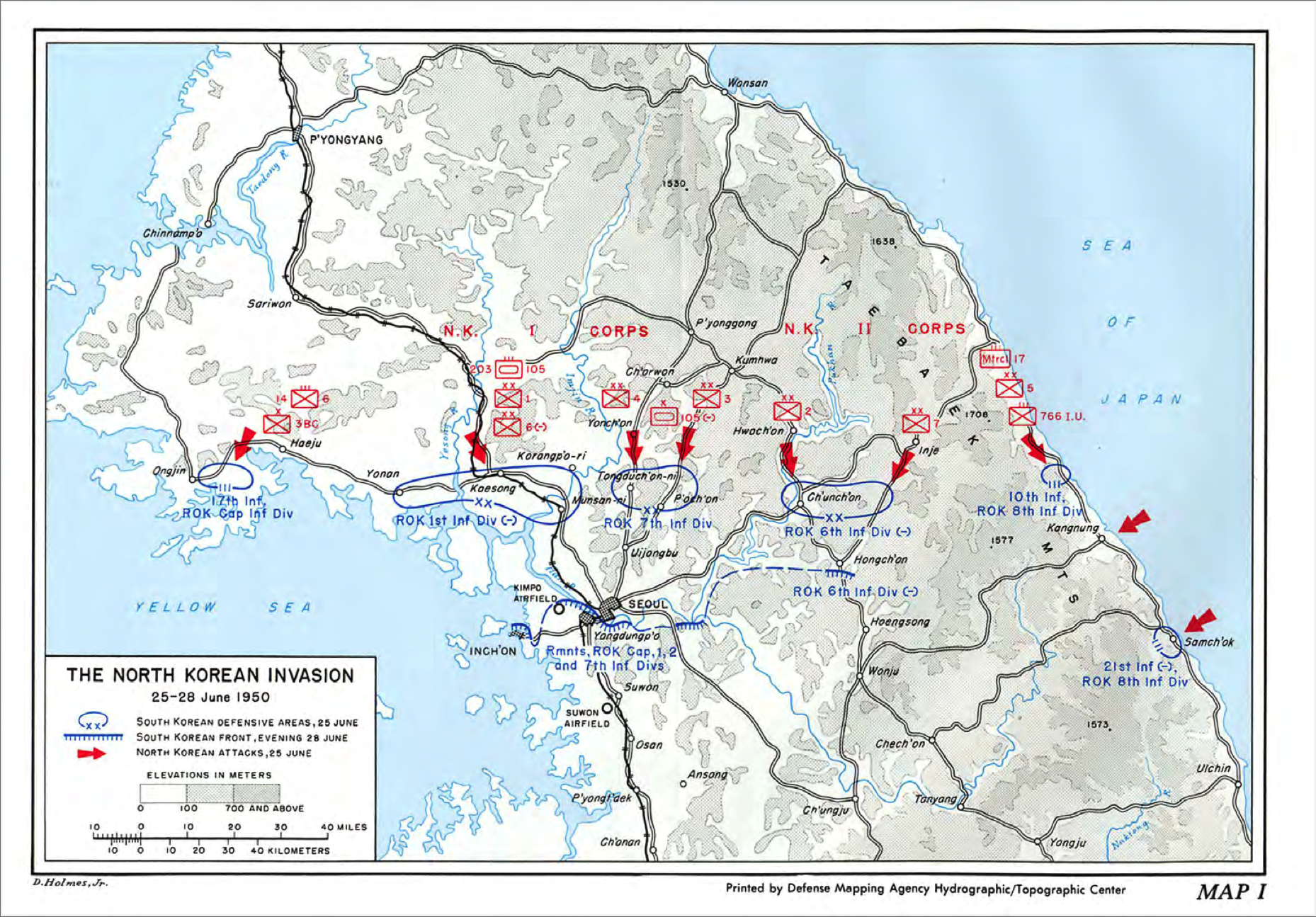
The North Korean invasion caught both the Republic of Korea, the United States, and the international community in surprise. An invasion was not unexpected, but the offensive hit ROK at its weakest points: while concerns over the increasing militarization of North Korea were frequent during the years leading up to the invasion, the United States and the international community failed to recognize the gravity of the northern threat.
Behind the scenes was the Communist dictator, Kim Il-Sung. Forever ambitious, the megalomaniac had pleaded Stalin and Mao for support on his plan to forcibly unify Korea under the red flag of communism, promising a grandiose defeat for democracy.
The struggle for the fate of Korea, its people, and their future began on June 25th, 1950.
7.5.1950 Battle of Osan
"The Security Council,- “83 (1950). Resolution of 27 June 1950.” United Nations, June 27, 1950.having determined that the armed attack upon the Republic of Korea by forces from North Korea constitutes a breach of the peace,
Having called for an immediate cessation of hostilities,
Having called upon the authorities in North Korea to withdraw forthwith their armed forces to the 38th parallel,
Having noted from the report of the United Nations Commission on Korea that the authorities in North Korea have neither ceased hostilities nor withdrawn their armed forces to the 38th parallel, and that urgent military measures are required to restore international peace and security,
Having noted the appeal from the Republic of Korea to the United Nations for immediate and effective steps to secure peace and security,
Recommends that the Members of the United Nations furnish such assistance to the Republic of Korea as may be necessary to repel the armed attack and to restore international peace and security in the area."
The preliminary stages of the Korean War fared badly for the Republic of Korea. The NKPA captured Seoul just three days after the war started, and it took a week for the first American troops to arrive in Korea.
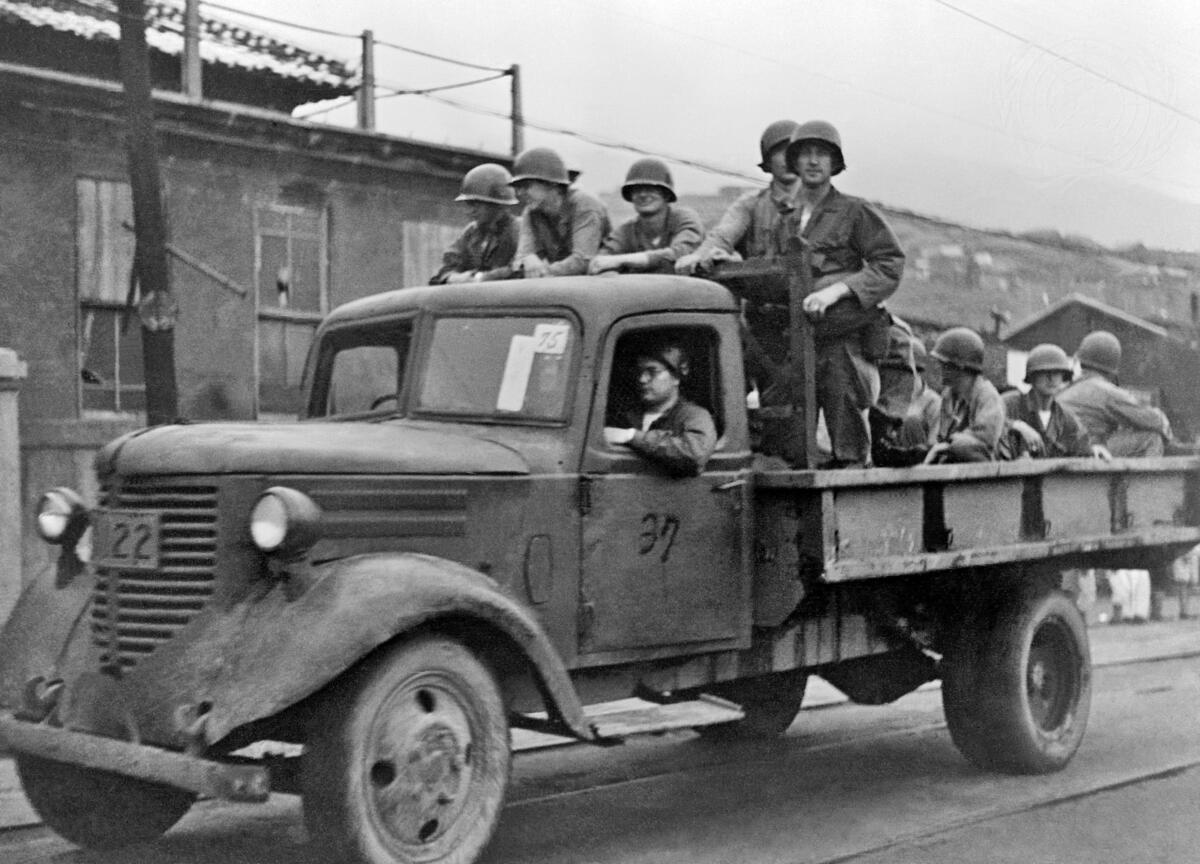
International support was on the way, but it would take time. While the United States and the United Nations had declared their support for the Republic of Korea, it would take another month or so before military support on an effective scale was possible. To support the Republic of Korea, the UN would organize the United Nations Command, a multinational military force composed of twenty-one countries and the first of its kind under General Douglas MacArthur.
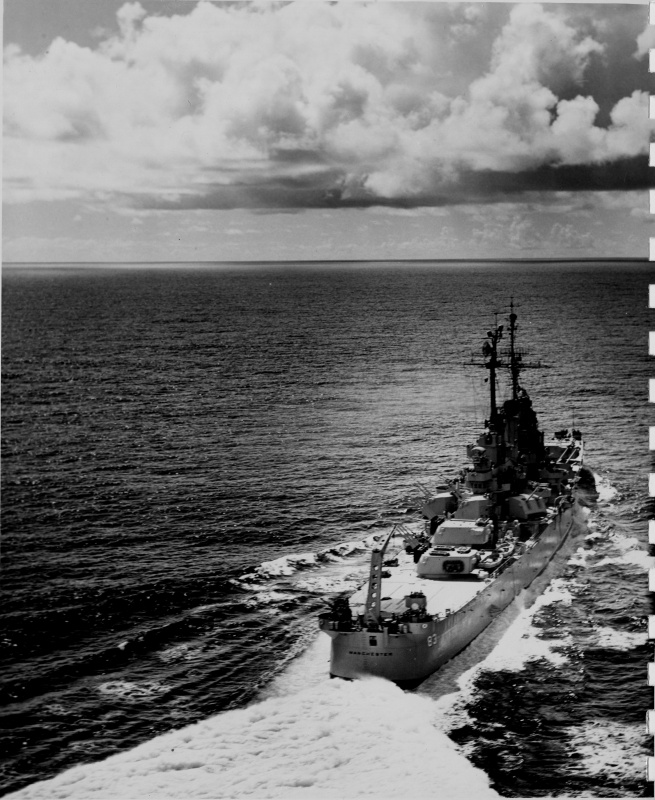
The Battle of Osan was one of the first major battles in the Korean War, also being the first between American and NKPA forces. The NKPA had broken Korean defense positions of Seoul and advanced southwards. Lieutenant Colonel Charles Bradford Smith, a WWII veteran, led Task Force Smith, the first American troops to set foot into the Korean War, hastily drawn from the nearby 21st Infantry Regiment in Japan.
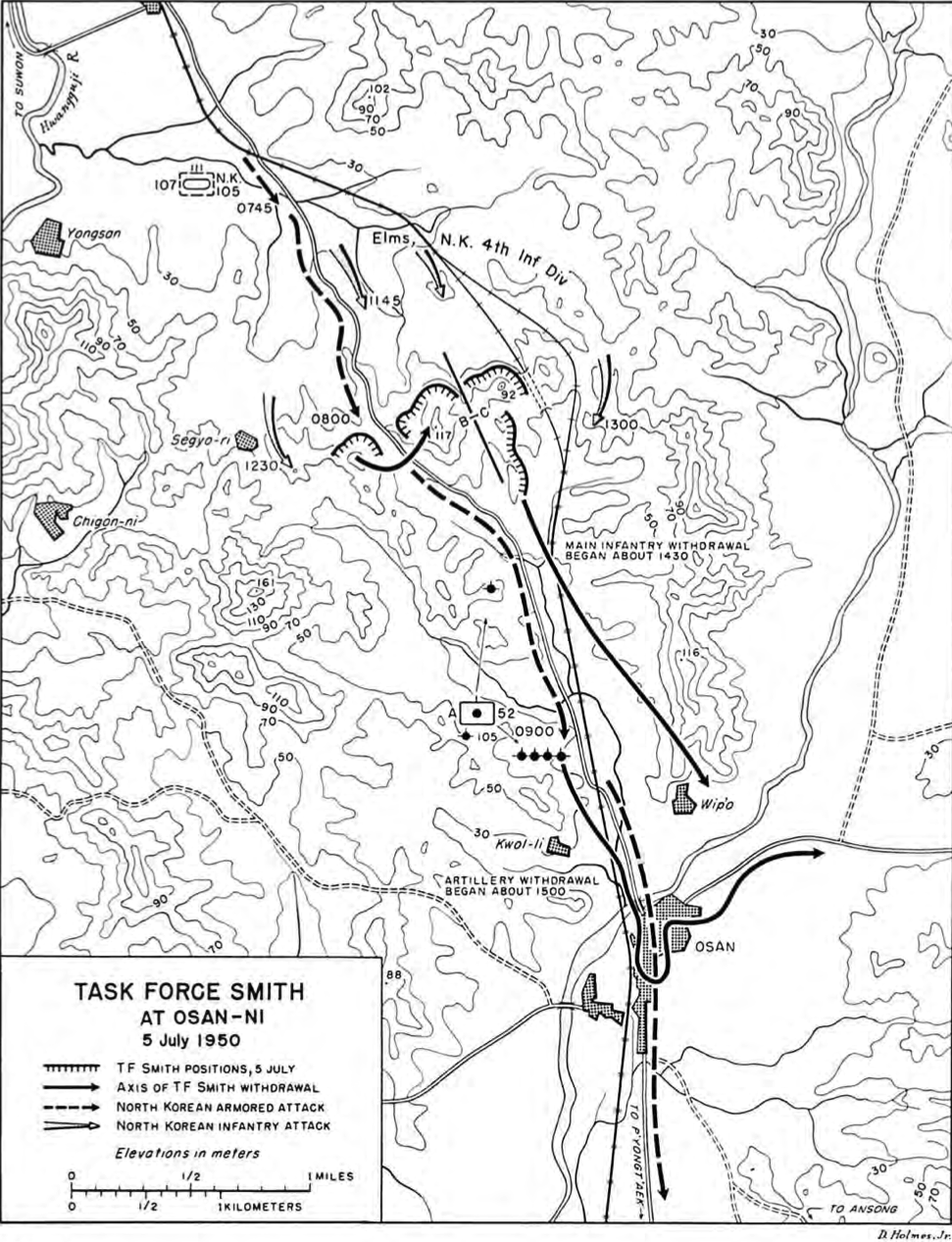
Task Force Smith's goal was to delay further advancements by NKPA forces, which were now on the way to Osan, a town approximately 25 miles to the south of Seoul. Osan would be their stand. To access the southern portion of the peninsula, NKPA infantry and tanks had to pass by a series of ridges overlooking a major road-an ideal location for defense. Buying time would allow the mobilization of crucially needed reinforcements.
Task Force achieved its goal, but only with staggering casualties. NKPA forces were stalled for seven hours, at the cost of 60 men dead, 21 wounded, and 82 captured, totaling almost 40% of its original manpower after strategical retreat. The Battle of Osan indicated two ominous facts: for one, the simple presence of US troops were insufficient at warding off North Korean aggression, and two, more firepower and more troops were direly needed.
8.4-9.18.1950 Battle of the Pusan Perimeter
“There will be no more retreating, withdrawal, or readjustment of the lines or any other term you choose. There is no line behind us to which we can retreat…I want you to put this out to all the men in the Division. I want everybody to understand that we are going to hold this line. We are going to win.”— General Walton H. Walker
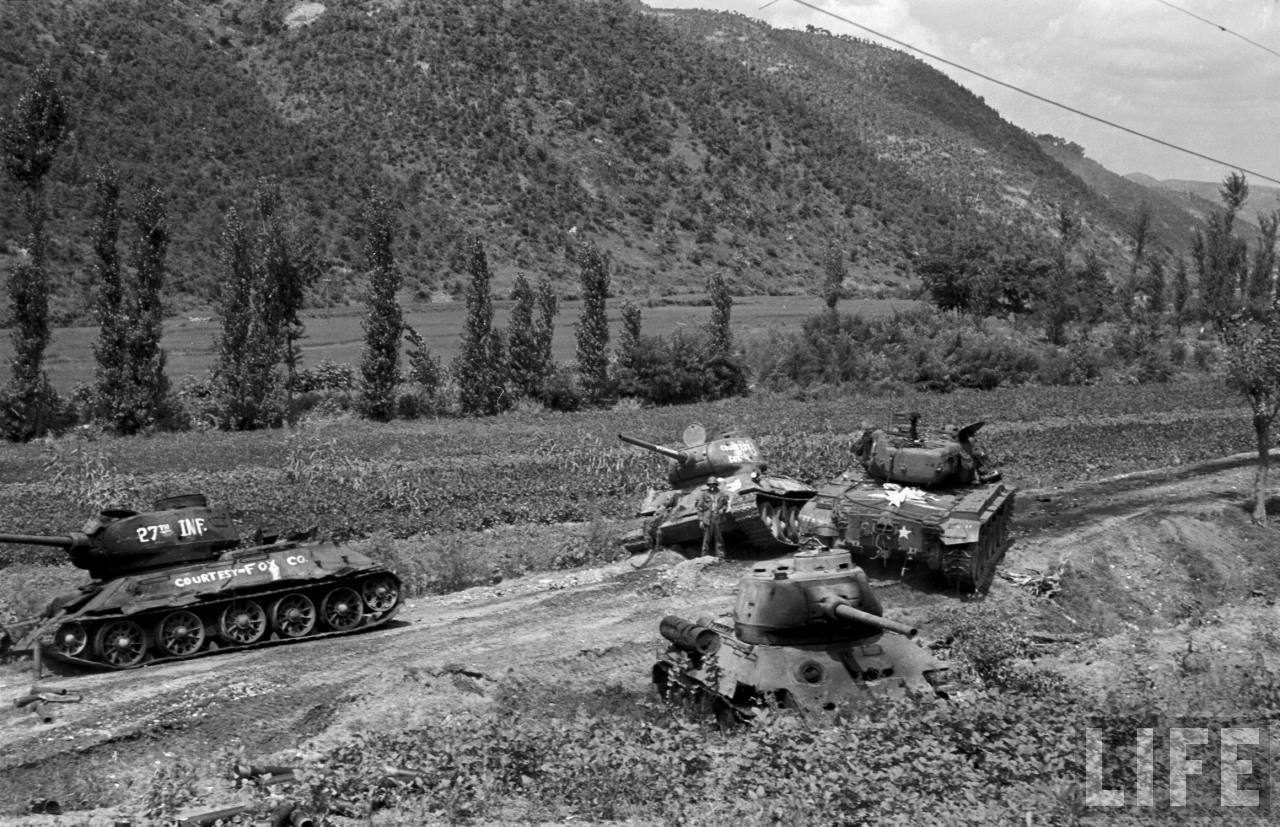
The situation worsened near August and September of 1950. A series of losses forced UN forces to retreat and by early August, only the city of Pusan, a vital port city, and the area protected by a 140-mile defensive position on the southern corner of the Korean Peninsula were controlled by the UN forces.

There were few options left: either the UN forces would hold the position, nicknamed the Pusan Perimeter, or the hopes of democracy in Korea seemed to vanish forever. Faced with the enemy and backed by the sea, a last stand was inevitable.
Time was of the essence: the UN forces were slowly building up supplies and troops as reinforcements arrived at Pusan; NKPA troops rallied for the breakthrough of the Pusan Perimeter repeatedly, and as their supply lines were becoming scant. The outcome of the battle, regardless of the winner, would play a pivotal point in the war.

By the end of August, the NKPA was at its limits. Issues with supply lines and the UN air and sea dominance gave few comfort, if at all, over a growing UN force. By late August, the NKPA had planned a five-pronged offensive against the Perimeter as a desperate last bid. On September 1, the NKPA initiated major attacks in the key cities: Masan, Kyongju, Taegu, and Yongch'on, and the Nakdong Bulge, a semicircular bulge in the Pusan Perimeter formed by the flow of the Nakdong River.
UN forces held firmly, and victory was won at last near on September 15th. The defeat of the Battle of the Pusan Perimeter very much destabilized the NKPA, robbing North Korea of its initial momentum; the following success of the Inchon Landing on September 15th reversed everything. The NKPA was forced to retreat, and the UN forces began advancing back towards the north at astonishing speeds.
09.15-26.1950 Battle of Inchon/Inchon Invasion
While the Battle of Pusan Perimeter was roaring on, another operation was under way. For quite some time, talks of an amphibious landing were in the talks of General Douglas MacArthur, the commander of the United Nations Command.
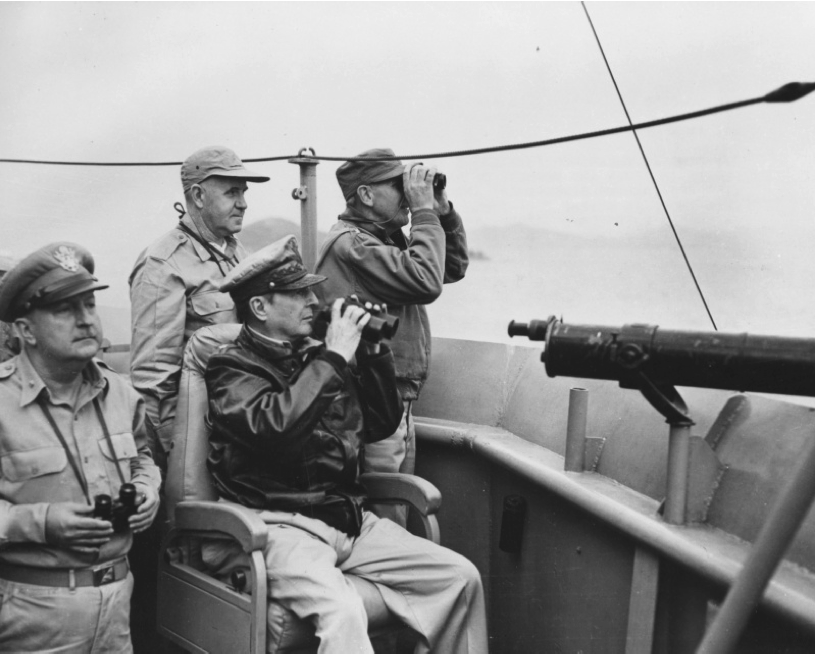
General MacArthur saw potential in an amphibious landing; if successful, an operation north of the Pusan perimeter might be the perfect opportunity to strike enemy supply lines, effectively cutting the NKPA into half and providing a platform for future northward advances.
Inchon emerged as a strong contender for the plan. Located just a few miles from Seoul and Gimpo Airfield, the only major airfield in Korea at that time, it was an ideal location for a counterstrike. To obtain utmost secrecy, the amphibious invasion was codenamed Operation Chromite.
However, nature proved to be a formidable foe against any hope of an amphibious invasion. For one, Inchon's massive tidal differences, up to twenty-nine feet, made coastline access restricted to only three days every month, limiting the window of operations. Secondly, the Inchon port was guarded by Wolmi-Do, an island jutting off into the side of the port and manned with NKPA outposts lowered the already small chances of success, which earned the comment “5,000 to 1 gamble” from General MacArthur. Lastly, a short window of opportunity meant that the whole invasion would have to be planned, prepared, and executed in a little less than a month.
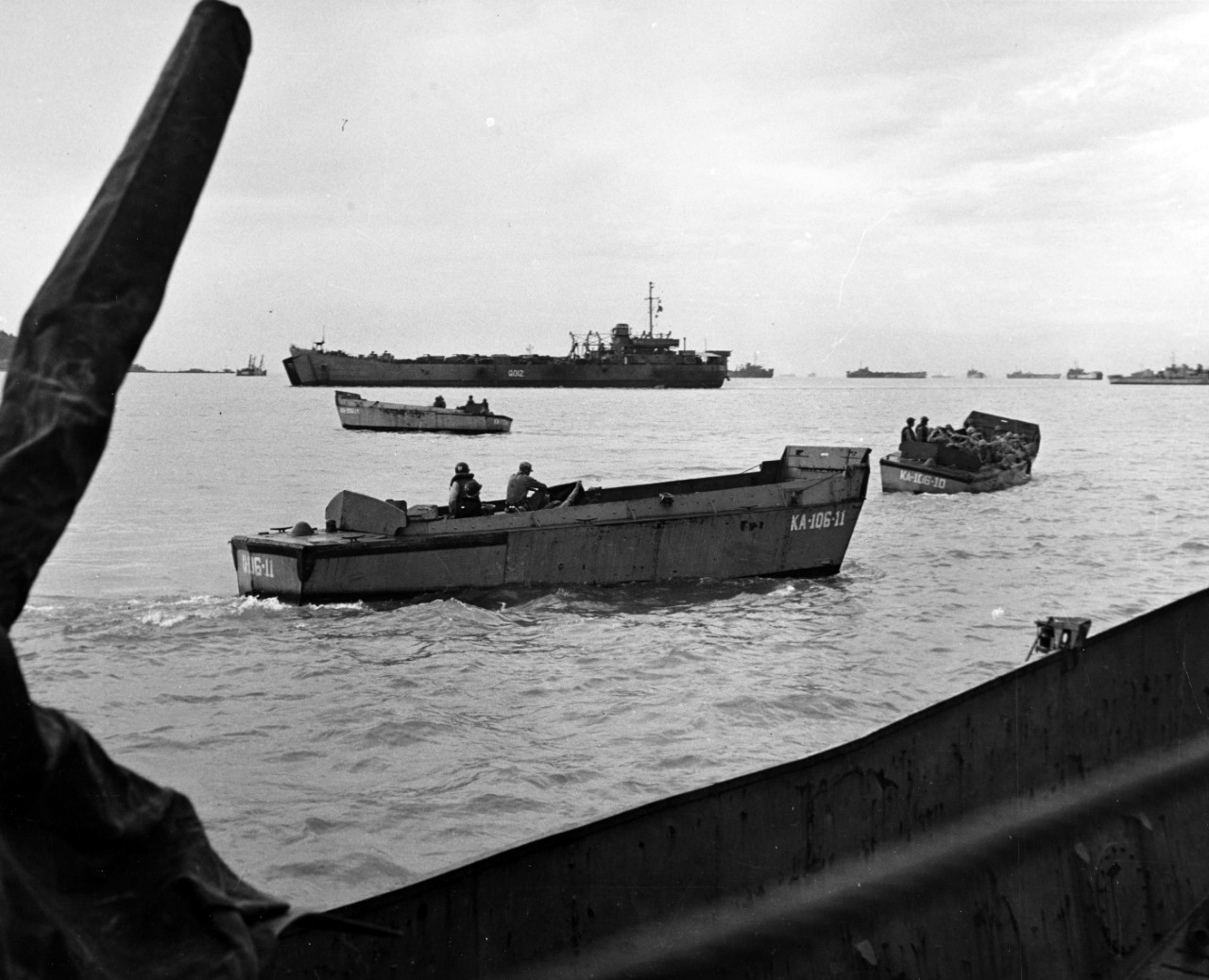
On September 13th, 1950, naval gunfire began the preliminary stages of the Battle of Inchon. On September 15th, U.S. Marines landed on Wolmi-do, along with the Seventh Infantry division, and Korean forces.
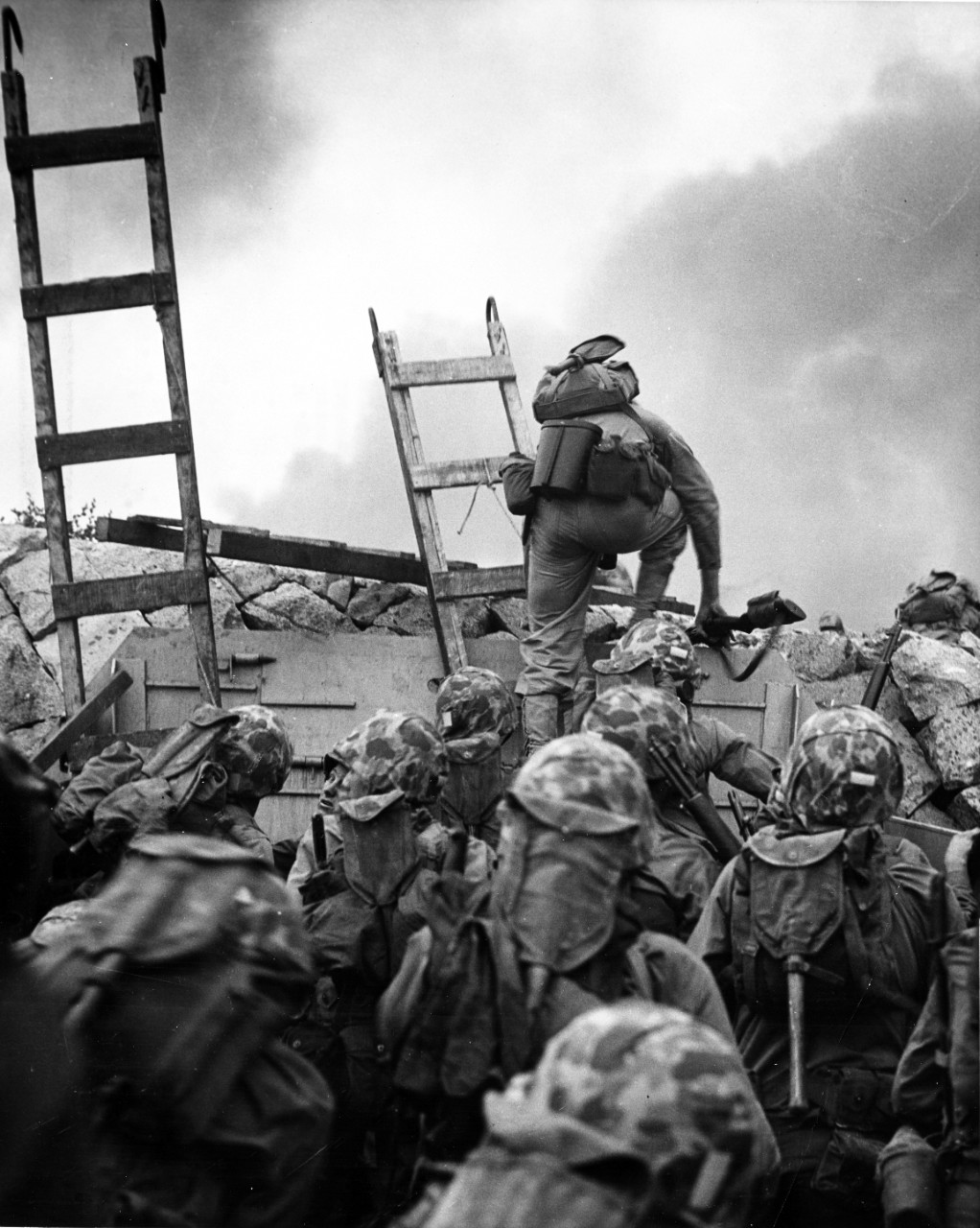
Two weeks later, Seoul was returned to the Republic of Korea, and a counterattack to the North started. The Pusan Perimeter held, and likewise shifted North. The courage of UN and Korean forces along with the brilliant plan of General MacArthur managed to turn the tide of the war, literally, into a favorable situation.
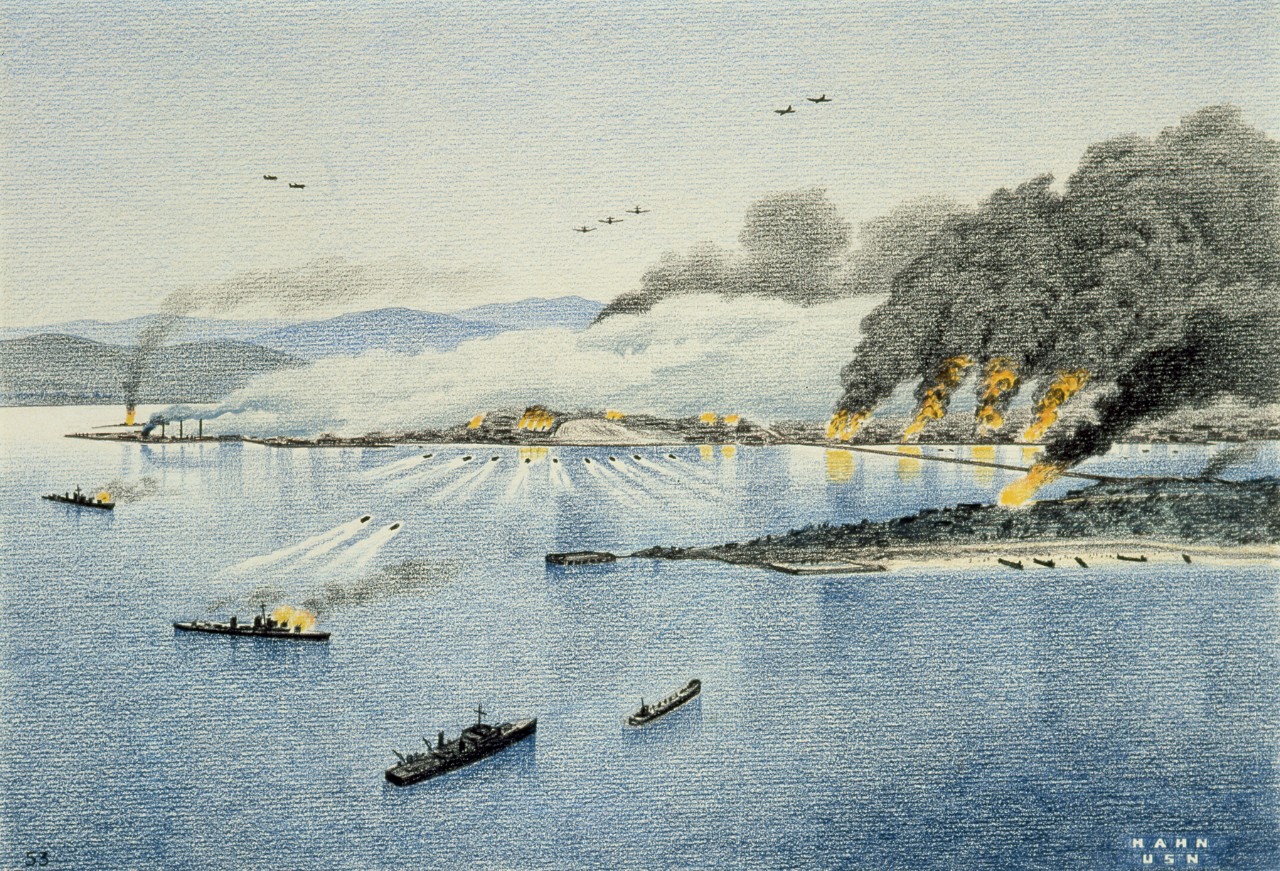
Today, the Battle of Inchon is remembered and commemorated for decisively altering the worst adversities into an opportunity.