Stories to Remember
"Give Me Tomorrow": Korea's Future Preserved Amid Despair
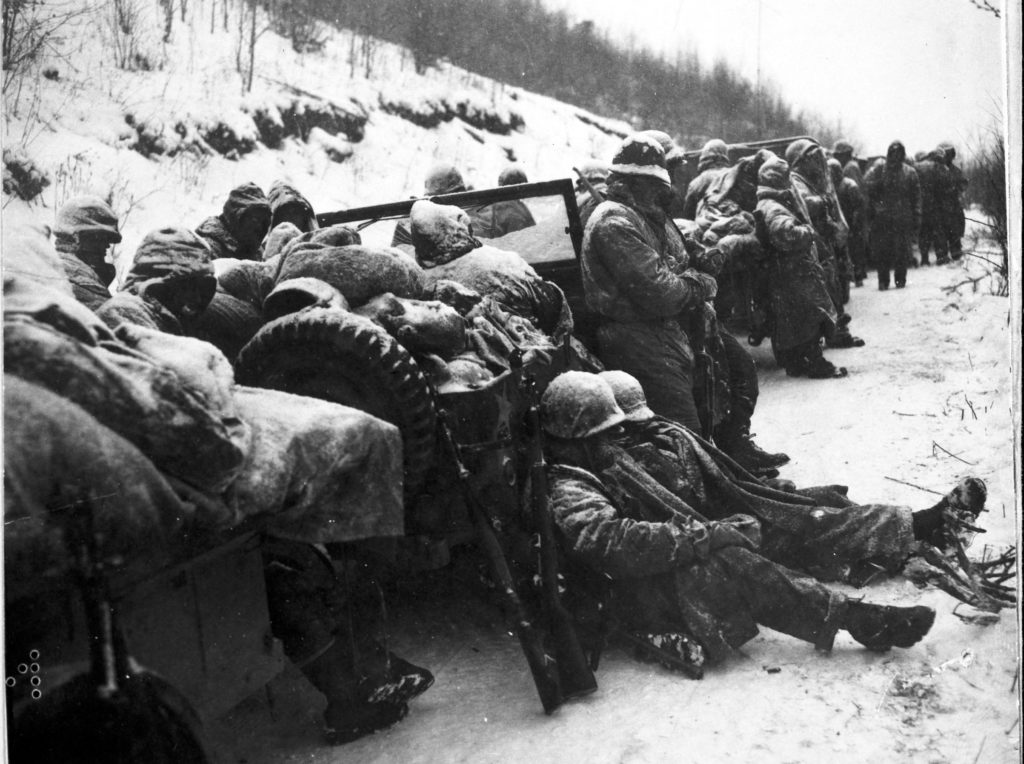
The successful Incheon Landing on September 15, 1950, enabled UN forces, led by South Korean and U.S. troops, to reclaim major cities like Seoul, Pyongyang, and Wonsan, steadily advancing northward. The tide of the war turned against them, leading North Korea to seek assistance from the Soviet Union and China, which resulted in the intervention of Chinese forces.
On November 27, 1950, the Chinese Ninth Army, consisting of seven divisions and approximately 12,000 troops, launched a surprise attack on the U.S. First Marine Division near Chosin Reservoir. Encircled and facing annihilation, the military command ordered a full retreat. The operation spanned two grueling weeks and concluded on December 11, 1950.
When a war correspondent inquired whether the operation was a retreat, Major General Oliver P. Smith famously responded, "Retreat? Hell, we're just attacking in a different direction."
The harsh weather conditions made the battle even more devastating. Temperatures dropped to -36°C (-33°F), freezing batteries and rendering radios useless. Soldiers suffered frostbite, supplies froze solid, and guns broke from the recoil of firing. Despite these conditions, the U.S. First Marine Division managed to evacuate 4,312 wounded and retrieve the remains of 137 fallen comrades, carving out a 126-kilometer (78-mile) path to Hungnam Port.
Extraordinary acts of heroism emerged, even in the midst of unimaginable adversity. Below are three recipients of the Medal of Honor for their bravery during the Battle of Jangjin-ho.
- Sergeant Robert Sidney Kennemore
- Private Hector Cafferata
- Corporal Lee Hugh Phillips
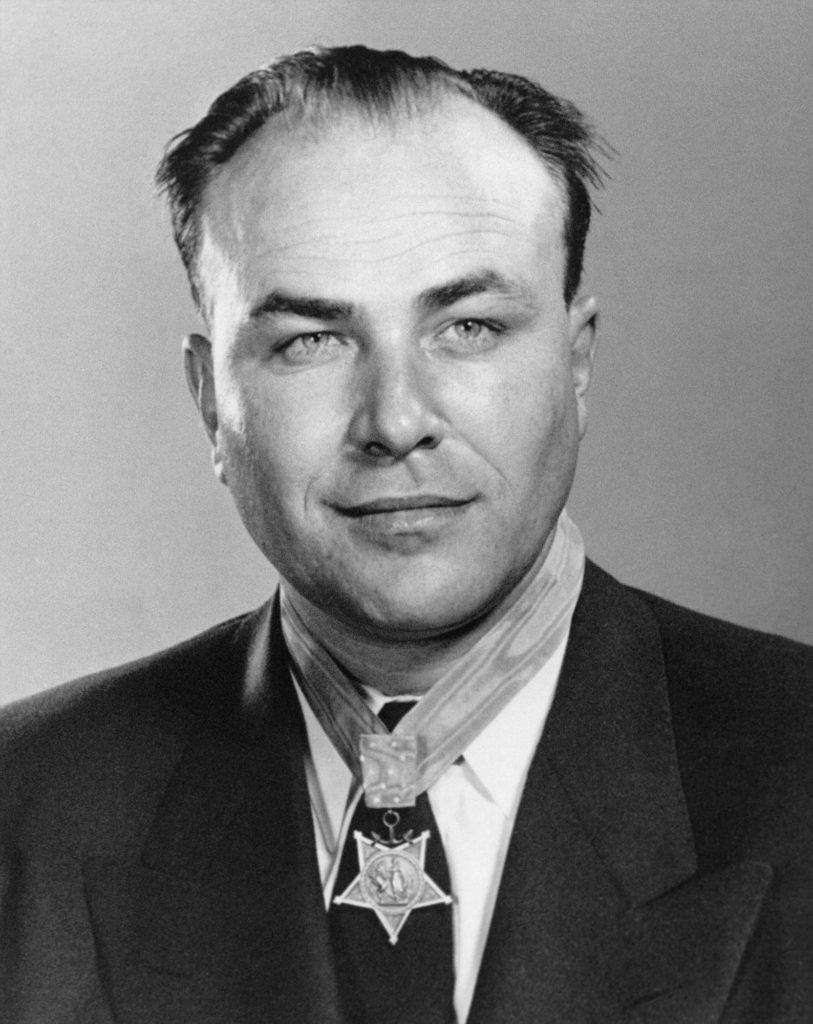
Serving with E Company, 2nd Battalion, 7th Marines, Kennemore saved two comrades by throwing a grenade out of their trench and using his foot to push another grenade into the ground. When a third grenade landed, he shielded his comrades by throwing himself over it, losing both legs in the process.
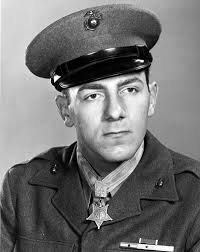
As a rifleman in F Company, 2nd Battalion, 7th Marines, Cafferata single-handedly defended his position against a regimental-sized enemy force after most of his unit was killed. He deflected grenades with a shovel and fought tirelessly, saving many lives despite suffering severe injuries.
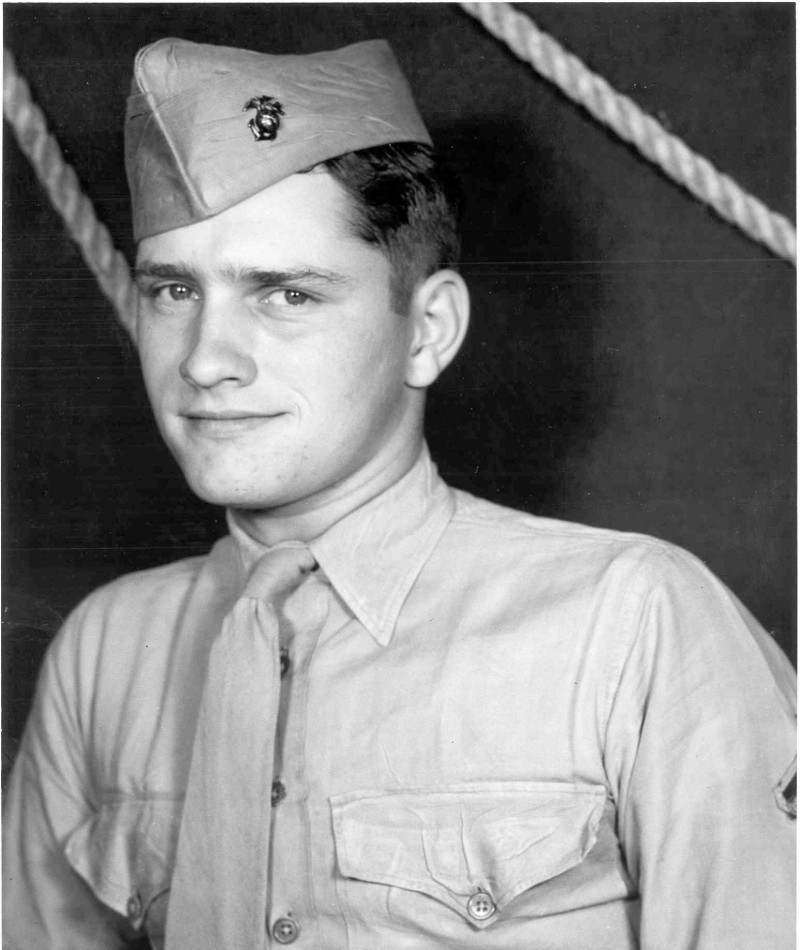
A squad leader in E Company, 2nd Battalion, 7th Marines, Phillips was only 20 years old during the battle. He scaled a cliff under heavy fire to neutralize enemy positions with grenades, sacrificing his life while holding off a counterattack.
The U.S. First Marine Division, the main force in the battle, was mobilized on August 4, 1950. This diverse group of soldiers included World War II veterans, volunteers, farmers, city dwellers, the wealthy, the poor, Harvard graduates, and those with limited formal education. They answered the call of their time to protect freedom.
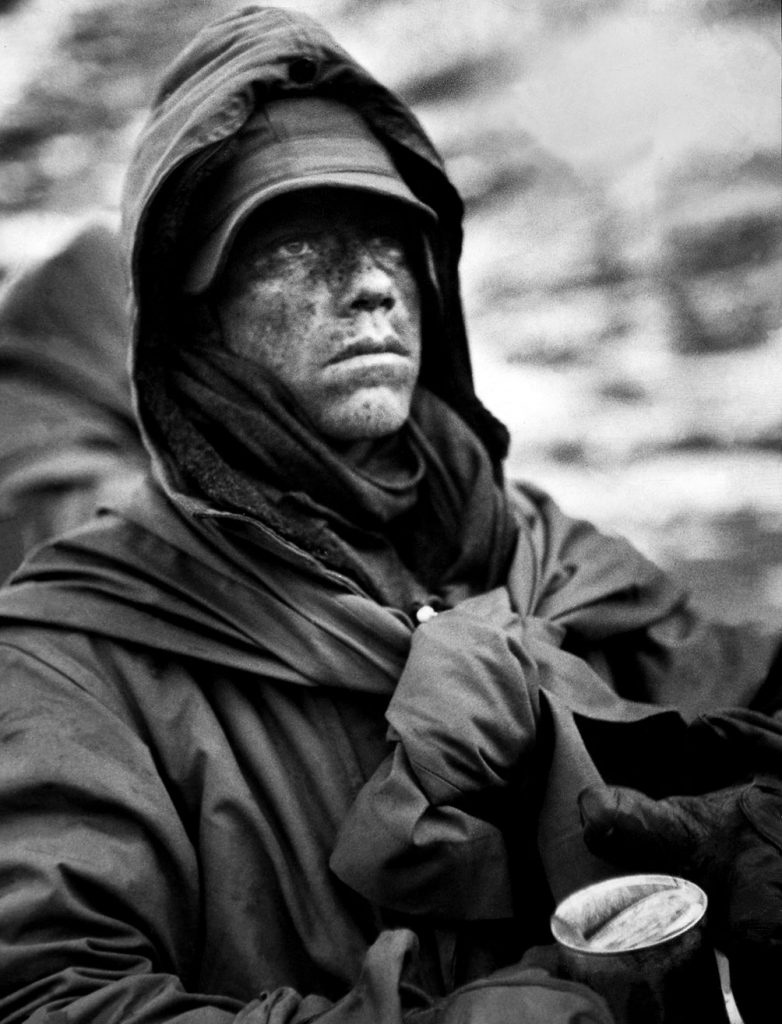
Historian Patrick O'Donnell meticulously documented the stories of these brave individuals, while Life magazine war correspondent David Douglas Duncan captured the harrowing reality of that day through his lens. One iconic photo features Sergeant LeGrand L. Powell, his face stained with dried blood, holding frozen rations in the bitter cold, staring blankly into the distance—a haunting portrayal of the day's horrors.
What would you want if you could have any wish?" journalist David Douglas Duncan asked Sergeant LeGrand L. Powell. He replied yet profound: "Give me tomorrow."
This plea embodies the desperate hope of those who fought and sacrificed for the future of a foreign land.
Some may question the significance of a retreat. However, the heroes of the Chosin Reservoir held the western front, buying precious time for UN and South Korean forces in the northeast to regroup and evacuate to Hungnam. This enabled the historic evacuation of 14,000 refugees during the Hungnam Evacuation.
According to South Korea's National Archives, approximately 25,000 U.S. Marines fought in the battle, with over 4,000 casualties. The Chinese forces, numbering 120,000, suffered 50,000 casualties. (Source: South Korea's National Archives.)
Interview with Mr. "Ray" Anderson by Doyeon Kim, July 25th, 2024
Bridge of Memories: 70 Years Connecting the Korean War and Today